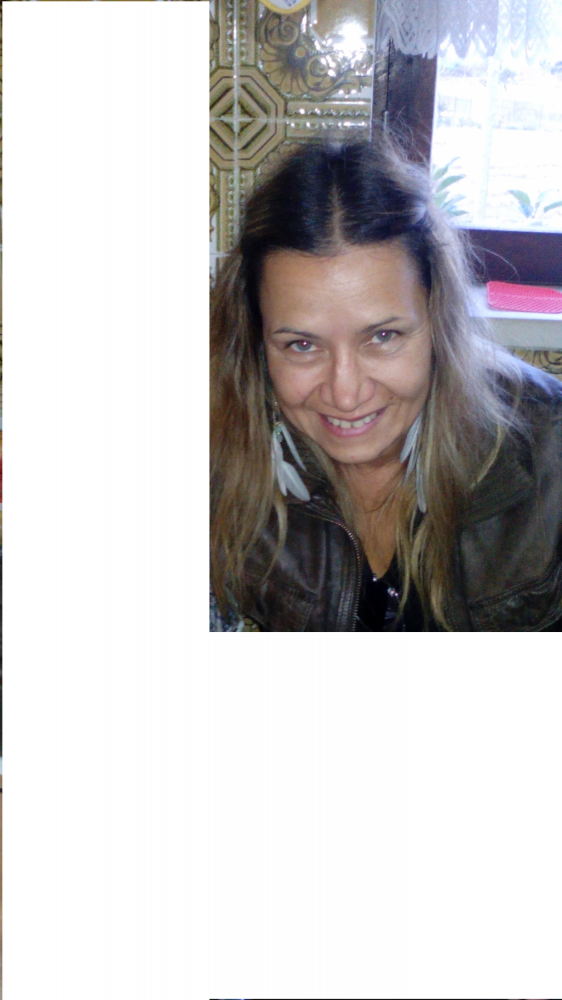



Biography
SEVEN SINS PROJECT- 7 SINS 7 YEARS
Vanity, vanitas in Latin, was the name given to a theme in painting located within the genre of the still life, especially practiced in the North of Europe during the sixteenth and seventeenth centuries. The word in Latin was used to describe the fleeting nature of life. In the arts, it was symbolic reminder of the futility of earthly pleasures. Such delights were countered by the suggestion of their inevitable loss and impending demise. In this sense, paintings of this genre included symbols generally related to the delights of consumption: fruit, fish and game, which bore outward signs of decay.
The fragility of human life is a theme that has continued to be explored to our day. Whether in the form of contemporary vanitas or other metaphors and symbols, confrontation with the fragility of life and the ephemeral continues to disturb and stimulate artistic creation all together. The works artist Isabelle Faria (b. Saint-Maur dês Fosses, France, 1973) will be debuting, an ensemble of paintings and installations, reunite the two subjects under the figure of the automobile.
This series materialized after the exhibition “Where We Used to Live – Luxury”, held in 2006 at Galeria 111 in Lisbon. Luxury was clearly a unifying concept of the works on display, but also a catalyst for the works that would succeed. It was precisely due to her exploration of this theme that Isabelle Faria decided to develop a project on mortal sin. As a consequence, after luxury, she decided to work with vanity.
If in the first series, the association between the theme of the works and their visual result was evident, in this new series of works, this connection is not as intuitive and requires subsequent reflection. The luxury of castles and chandeliers gives way to the vanity of automobiles. In both, two overriding features persevere: obsession and excess.
On its own, vanity is not a mortal sin. But it is when it is connected to pride (considered the primordial and most severe of mortal sins), which is linked to the desire to be more important, more attractive than others. Today, vanity, understood as the ostentation of superiority, has gained an undue dimension. Supported by a society that is sustained by a market economy, it has become a new kind of deity. In this permanent invocation of consumption, vanity has voraciously claimed a dominant position for itself. Coveting the belongings of neighbors or perhaps their mere approval and recognition has impelled man to reckless expenditure with the aim of owning the best, the flashiest of commodities. This is how one gains access to a game of appearances, of seeing and being seen, of vainglory. The wrapping becomes more important than what is inside, exhibition gains precedence over opacity.
On the runway of ostentatious possession, the automobile – “the gothic cathedral of our time” – is one of the most desired and appealing. The ownership of a car affords a particular social status and is one of the greatest emblems of vanity. The desire to belong and recognition, realized by the simple act of owning a car, rouses the craving and desire for an object, even if it is in excess of one’s resources.
This game gains particular resonance with tuning. Initially bound to racing, the activity of modifying cars is the result of a displacement from the racecourse to the street. Today, tuning has become a popular sideline where the performance and exterior of a normal car (normally from a range classified as ordinary) is tweaked to the creation of an exuberant, eye-catching machine. The runway of appearances is, never the less, a temporally limited one in that a car’s life is much shorter than it used to be. Within a short space of time and use, these objects become metal hulks abandoned in cemeteries of indiscriminate accumulation, which are ignorant of a car’s memory. Unsympathetic or irreverent to a car’s unique past life.
The works that comprise this exhibition can be seen as an actualization of the vanitas: a still life that celebrates the frugal pleasures of life in tandem with its marked fleetingness. The works of Isabelle Faria pay testimony to the fragility and negligence that abandoned cars, elevated and powerful symbols of contemporary life, are subject to. All in all, like the vanitas, they are a metaphor for the cycle of life that begins with plenitude and ends in decadence. A symbolism that equally points to our own mortality.
In Isabelle Faria’s junkyards, these once-insignias are now unwanted objects, debris. Nevertheless, Faria insists in conferring dignity upon them with her exuberant chromatic treatment. The brushstroke she has elected to paint each automobile is just as vigorous. Free, bold, perhaps somewhat indulgent. Her hand is taken by the vanity that once captured these automobiles, which frees her gestures from the fetters of the straight rendering that this subject could presuppose. Instead, each brushstroke destroys the automobile’s integrality and exalts in a climate of chaos. Each object looses its individual identity in the face of the group, but also in the face of the canvas’ global composition. This disintegration of the machine can be taken as a symbol of death and chaos. There is a leveling of the status that they once had in life, for ironically and inexorably, we are all equal in death. In a certain manner, we can look at these paintings and perceive them as landscapes of death and destruction. The remnants of a contemporary war.
Another exhortation of war is evoked by the installation , where a set of miniature Smart cars collide into each other like bumper cars. Imprisoned by an acrylic and neon light skirting, owing to their sheer number, accidents become inevitable. On the track, fun and game are converted to chaos and fatality, where the sound produced by the cars plays a special part. The toy is transformed into a machine of destruction, and all that was once appealing now emerges under a sinister light.
Music is equally important in another of the exhibition’s installations as it altogether constititutes itself as a structuring element of the car’s identity and a disruption in the piece’s interpretation. The work (literally) rebuilds a modified vehicle which fell victim to an accident. Smoke emanates from the bonnet, yielding a fictional temporality to the relation spectators establish with the wreck. That is to say, each encounter with the car is permanently akin to the instant after the accident. This relationship is intensified when the spectator is invited to enter the car. There is something perverse in this action that is linked to the morbid pleasure of experiencing the location of an accident, a kind of crime scene, which simultaneously fascinates and disturbs.
The last piece in this exhibition, or perhaps the first, is a sentence written with neon tubes: “What we want is what we get – Vanity. What we get is what we deserve”. The text appears to have been handwritten, as if the artist herself had emblazoned it on the wall. The piece seems almost proverbial. Something we would hang in our homes in order not to forget the truth that it preaches. Hence it can also be taken as a dictum for viewing the other pieces in the show.
The intention of this saying remains opens. Could it be a warning or a statement? Hidden within this sentence, the foundations of morality are upheld. But this piece is not about preaching, but what society takes as normalcy. Our actions and desires have a price, which determines the justness of what we receive. The yeast of desire is vanity. This is what feeds it, what makes it grow. All depends on this ingredient, if our desires are rooted in it.
Isabelle Faria is interested in portraying landscapes. Not the landscapes of cities or subsurbs, but another kind of landscape based on conceptual premises, where the human identity serves as fundament. Although the urban element may be absent from these works, it is not from her mind. As such, the elements she employs become mementoes, tokens of what makes for our identity: exuberance, vanity, fragility and death.


